

7 Strategies to Amplify Influencer Marketing ROI
In recent years, influencer marketing has emerged as a powerful tool for brands looking to connect with their target audiences in an authentic and engaging manner. Unlike traditional expensive television commercials (TVCs), which can often be disruptive and face diminishing returns, influencer marketing offers a more subtle and effective way to resonate with audiences. By leveraging the right influencers and employing advanced tactics, brands can significantly amplify their return on investment (ROI) and create lasting connections with their customers.
1. Micro-Influencers: The Power of Niche Authenticity
While macro-influencers might have a larger following, micro-influencers (influencers with relatively smaller followings, typically between 10,000 to 50,000) have become a force to be reckoned with. These individuals often have highly engaged, niche audiences with whom they have developed genuine relationships. Using the right influencer insights tool, like the one WALEE has, can help you compare avg. engagement of micro vs. macro influencers, and their particular audience sets to see what works better for your brand.
2. AI-Driven Influencer Selection: Finding the Perfect Match
Selecting the right influencers is crucial to the success of any influencer marketing campaign. Advanced Artificial Intelligence (AI) tools can now help brands identify the best-fit influencers based on factors like audience demographics, interests, and past campaign performance. By analyzing vast amounts of data, AI enables brands to make data-driven decisions and partner with influencers who are more likely to resonate with their target audience.
3. Embrace Long-Term Partnerships: Building Trust Over Time
Rather than pursuing one-off influencer collaborations, consider forging long-term partnerships. Long-term associations create a sense of authenticity and trust between the influencer and the brand, which can significantly impact the effectiveness of the sponsored content. As the influencer continues to promote the brand over time, their audience is more likely to view the association as genuine, leading to increased brand loyalty. In recent times, many brands are now working on building such partnerships for e.g. Foodpanda (easy deliveries for groceries and food)and HBL(discounts on restaurants)- the brands collaborated with multiple influencers(Muzammil Hassan, Human Raza, Waliya Najib etc.) plugging in the 2 services into their story & post content over the course of several months, making it look genuine.
4. Storytelling through Sponsored Content: Captivating Audiences
Gone are the days of overtly promotional sponsored content. To connect with audiences, influencers should focus on storytelling that integrates the brand seamlessly into their narrative. Story-driven content enables influencers to create a meaningful and emotional connection with their followers, resulting in higher engagement and improved ROI. A Lahore/London based influencer named Baekartoot recently did a similar piece, in which she connected with her audience over how hard it is for kids living abroad, to send back remittances, and she struggled with this too, then plugging in an application which can now help you do so operational in many countries.
5. Leverage User-Generated Content (UGC): Authenticity at Its Best
User-generated content (UGC) has gained immense popularity due to its authentic and relatable nature. Encouraging influencers and their followers to create UGC around your brand or products not only expands your reach but also bolsters trust among potential customers. Reposting UGC also reinforces the influencer-brand connection and shows appreciation for their support. Influencers now do stories on ‘post your moment’ and ‘share your photos’ in relevance to a topic to leverage UGC for a sponsored plug.
6. Data-Driven Campaign Optimization: Maximising Impact
The beauty of influencer marketing lies in its measurability. While traditionally brands rely on PR agencies sending in post-campaign reports that may be plagered or exaggerated, brands can now instead resolve to look at live insights for their campaigns, track key performance metrics such as engagement rates, click-through rates, and conversions. Using these insights, marketers can refine their strategies, identify successful content formats, and optimise future campaigns for better ROI.
7. Influencer Diversification: Reaching Wider Audiences
While some brands may have identified a few top-performing influencers, relying solely on a handful of creators can limit your reach. Diversifying your influencer portfolio allows you to engage with a broader range of audiences. Collaborating with influencers from different niches and platforms ensures that your brand message reaches new demographics and helps avoid overexposure to a specific audience segment. Also, reusing the same influencers with high engagement rates, may give you good numbers, but doesn’t help capture newer audiences. So utilising all available platforms(one that works wonders is now TikTok), and influencers help capture broader audience sets.
In conclusion, influencer marketing has evolved into a sophisticated and highly effective marketing strategy, often surpassing the ROI achieved through traditional expensive TVCs, activations, free sampling, billboarding etc. But to justify spending and get the targeted ROI, BMs and account managers need to grow smarter with their strategies

Influencer Marketing is not Digital PR
Marketers often confuse two strategies building brands and engaging target audiences: influencer marketing and public relations (PR). It’s easy to brush off saying “We want to do digital PR” and interchange both. It is crucial for marketers to understand the fundamental differences between these two approaches.
Influencer Marketing
Focuses on results and ROI through media buying. Marketers and media planners buy influencer collaborations with individuals who possess a significant online following, enabling brands to tap into their established credibility and influence. By partnering with influencers, brands can access these engaged audiences, leverage their authenticity, and get reach, impressions, engagements, and conversions as a result. In 2022, the Creator Economy is worth US $104 billion comprising 50+ million creators around the world.
Public Relations
On the other hand, focuses on managing the public image and reputation of a brand. PR pros foster media and stakeholder ties for positive coverage, crisis management, and shaping public perception. It seeks to craft positive brand narratives and build public credibility.
Key differences between Influencer Marketing and digital PR
- How you pay: Influencer Marketing often pays for specific activities (such as posts, stories, reels, videos, etc) similar to media, whereas PR pays for the PR team’s time costs.
- What you achieve: PR sets out to achieve an overall brand or company narrative and sentiment whereas Influencer Marketing is focused on results and ROI such as reach, impressions, engagement, and conversions.
- Audiences: PR targets broad audience sets and is focused on generic positive sentiment whereas Influencer Marketing tends to zoom in on specific audience niches with a set brand-level objective such as awareness, consideration or conversion.
- Measurement: Because of the absence of measurement solutions in Pakistan, marketers often confuse them. However, with Walee’s measurement solutions, you can unveil the Creator Economy and influencer measurement, providing granular audience and campaign data.
Lets Take an Example
A cola brand creates a campaign to promote their stronger, more flavorful cola drink. It reached around 2.05 million people and generated 3.2 million impressions. The campaign managed to engage 116,279 users impacting its brand awareness and consideration. For their PR, they put up kiosks in malls and did press releases and digital news items at the launch. These tactics differ significantly even in their execution.
Zooming out, the brand team likely approved one budget: a digital PR campaign for brand growth, blending its results. And the results they got for these were all jumbled up and lacked measurement. Were they able to attribute a specific ROI to this campaign? What was the impact on their brand health? Could they quantify how they paid influencers – what cost-efficiency metrics did they achieve? What kind of benchmarks did they set out to achieve? The simple answer as of today is NO.
Influencer marketing has a long way to go in Pakistan. Marketers are spending over PKR 5 billion in this space. Just as digital media arrived, we chased elusive metrics, seeking true ROI and brand growth in the influencer marketing landscape. Walee aims to change this by providing real-time reporting with a strong focus on ROI. They utilize proprietary technology for results-focused activation with influencers.

Walee-NUST Center of Excellence Image Gallery
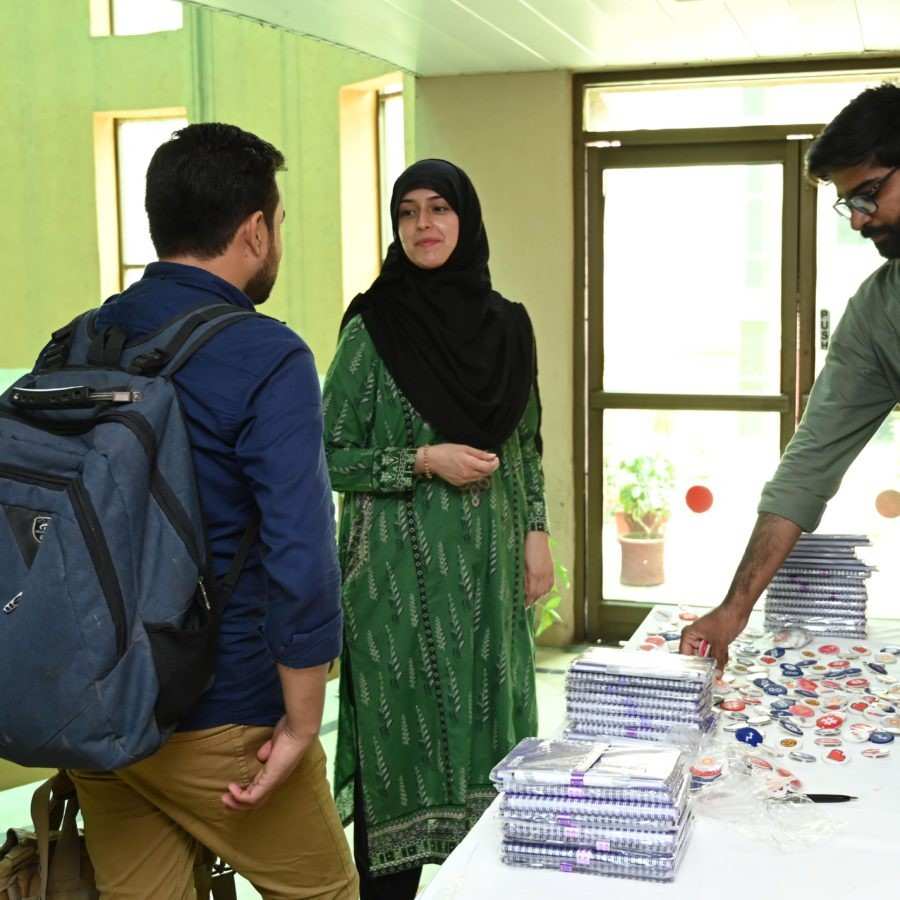
Students learning more about opportunities for them at WNCE

Students signing up for Walee
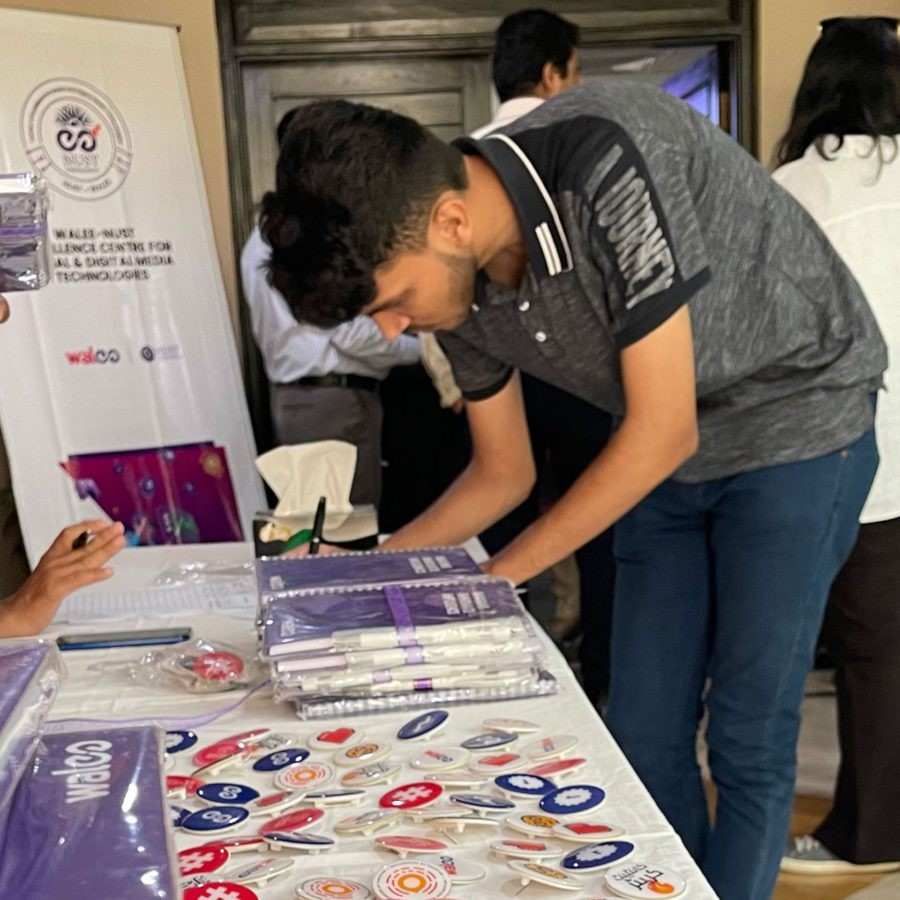
A student registering for Walee

CEO Walee and NUST-SEECS sign an agreement to set up CoE

Dr. Rafia Mumtaz, Head of Software Engineering Deptartment, NUST-SEECS, leads the event with welcome remarks

Samina Seth, Co-founder Walee, and Dr. Saima, NUST enjoying the event

Guests included Mr. Farrukh Khan and Mr. Usman Kirmani from USAID Investment Promotion Activity -IPA

MOU signing with (L-R) Muhammad Ahsan Tahir, Raihan Merchant, TI, Air Vice Marshal Dr Rizwan Riaz SI(M), Dr Muhammad Ajmal Khan, SI(M)

Dr. Muhammad Ajmal Khan, SI(M) Principal SEECS NUST, said that this partnership will pave the way for future collaboration in the areas of mutual academia-industry linkages

Mr. Raihan Merchant TI, CEO Z2C Ltd., receives a token of thanks from Dr. Muhammad Ajmal Khan, SI(M) Principal SEECS NUST

Faculty and guests listen to presentations

Air Vice Marshal Dr Rizwan Riaz SI(M), Pro-Rector RIC NUST, presented on the collaboration between NUST and Walee

Walee staff enjoying the event

Walee staff enjoying the event

Walee staff enjoying the event
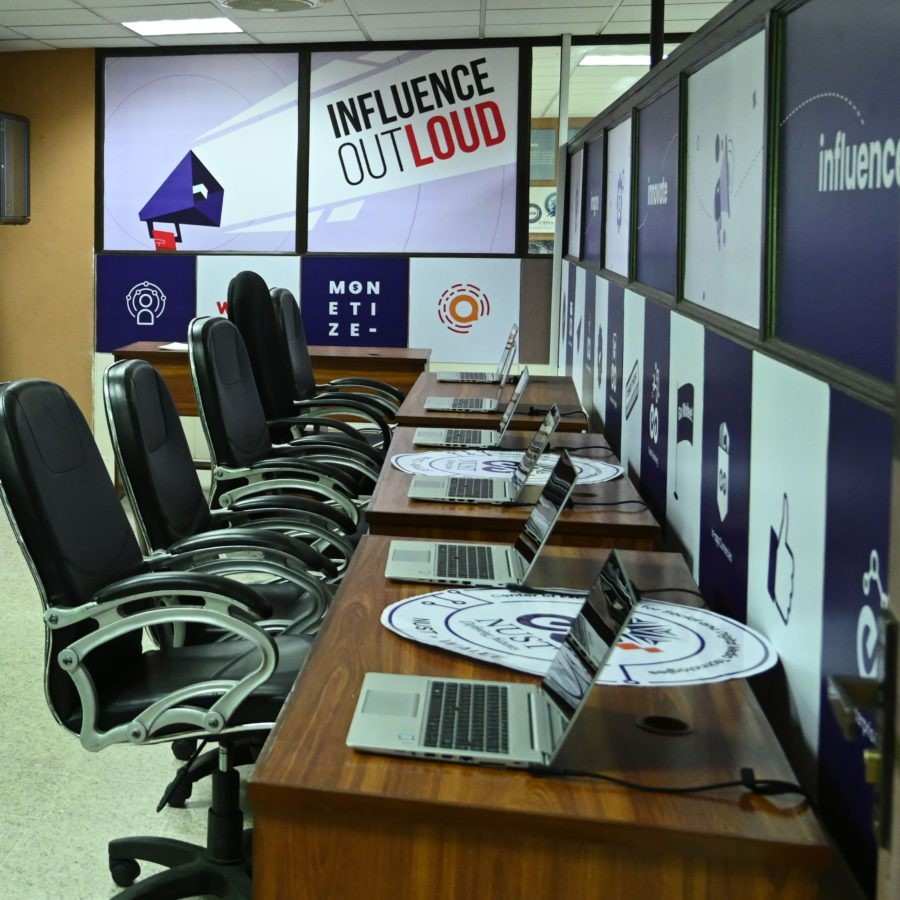
Lab facilities dedicated to WNCE

Visitors to the lab
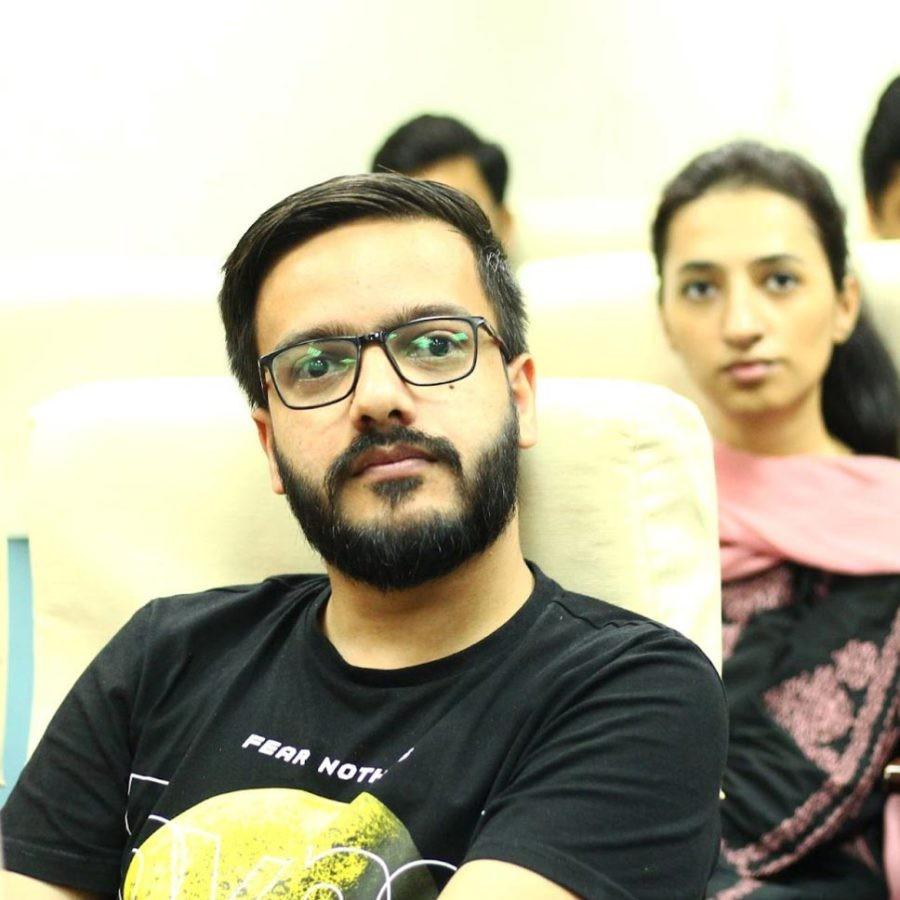
Walee staff enjoying the event

Walee staff enjoying the event

Guests enjoy post-event meal

Snaps from the inside of the WNCE lab

Audiences stand for the national anthem

Entryway to WNCE’s labs
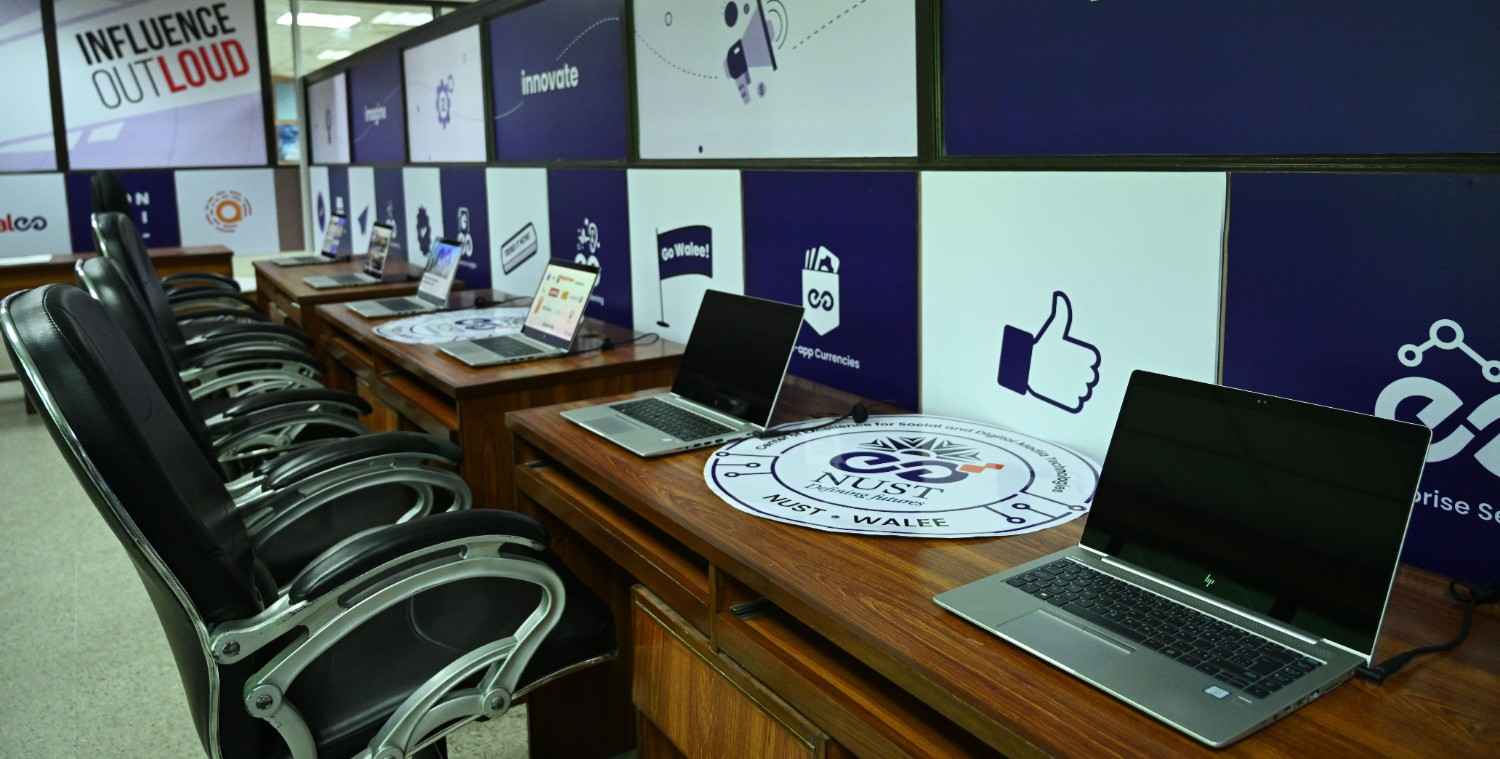
Snaps from the inside of the WNCE lab

Mr. Raihan Merchant TI, CEO Z2C Ltd., received a warm welcome at the event

Visitors to WALEE-NUST lab from Ajman University

Mr. Raihan Merchant TI, CEO Z2C Ltd., presents the closing remarks and shares his vision of the landscape of social and digital media technologies, emphasising the need for developing the right skills and innovative mindset

Walee’s Unforgettable Escape to Mabali Resort
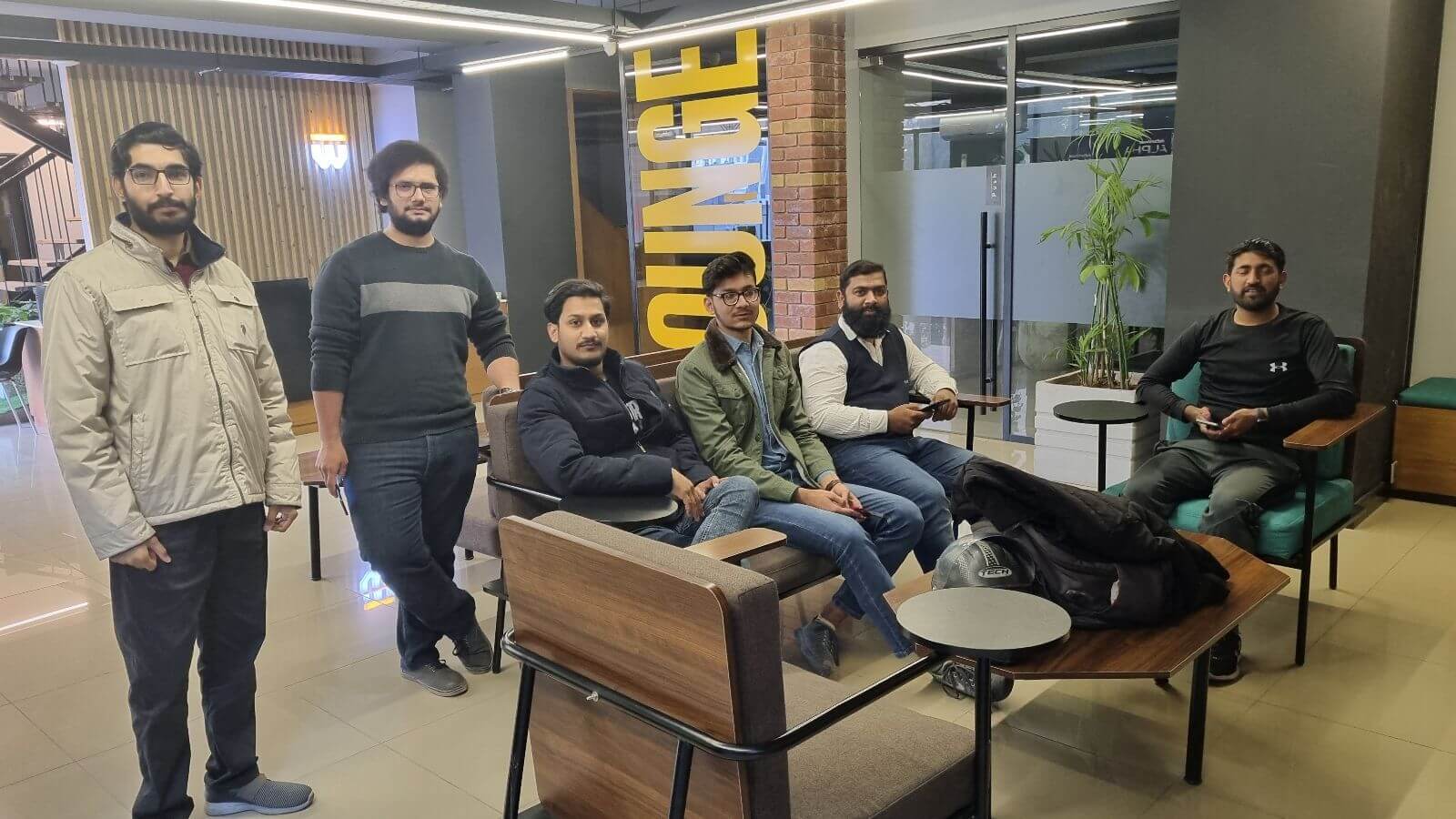
Team Walee all set for an unforgettable experience

Team Walee all abroad for the exciting trip ahead!

Attendees enjoying breakfast with a view

Snaps from the scenic view at Mabali Resort

Snaps from the scenic view at Mabali Resort

Ziplining at Mabali Resort

Ziplining at Mabali Resort

(Left to Right) Nouman Faridi, Salman Ansari, Fahd Khan, and Bilal Ahmed’s short hike to Mabali sign at the top.

ViewResort

View from the top of Mabali Resort

Team Walee playing a game of sequence

Team Walee all set for shooting rounds

Bull’s eye by Walee’s office help

Team Walee supporting fellow member in his turn at shooting

Team Walee fully committed to the game of Archery

Team Walee enjoying the boat ride at Mabali Resort
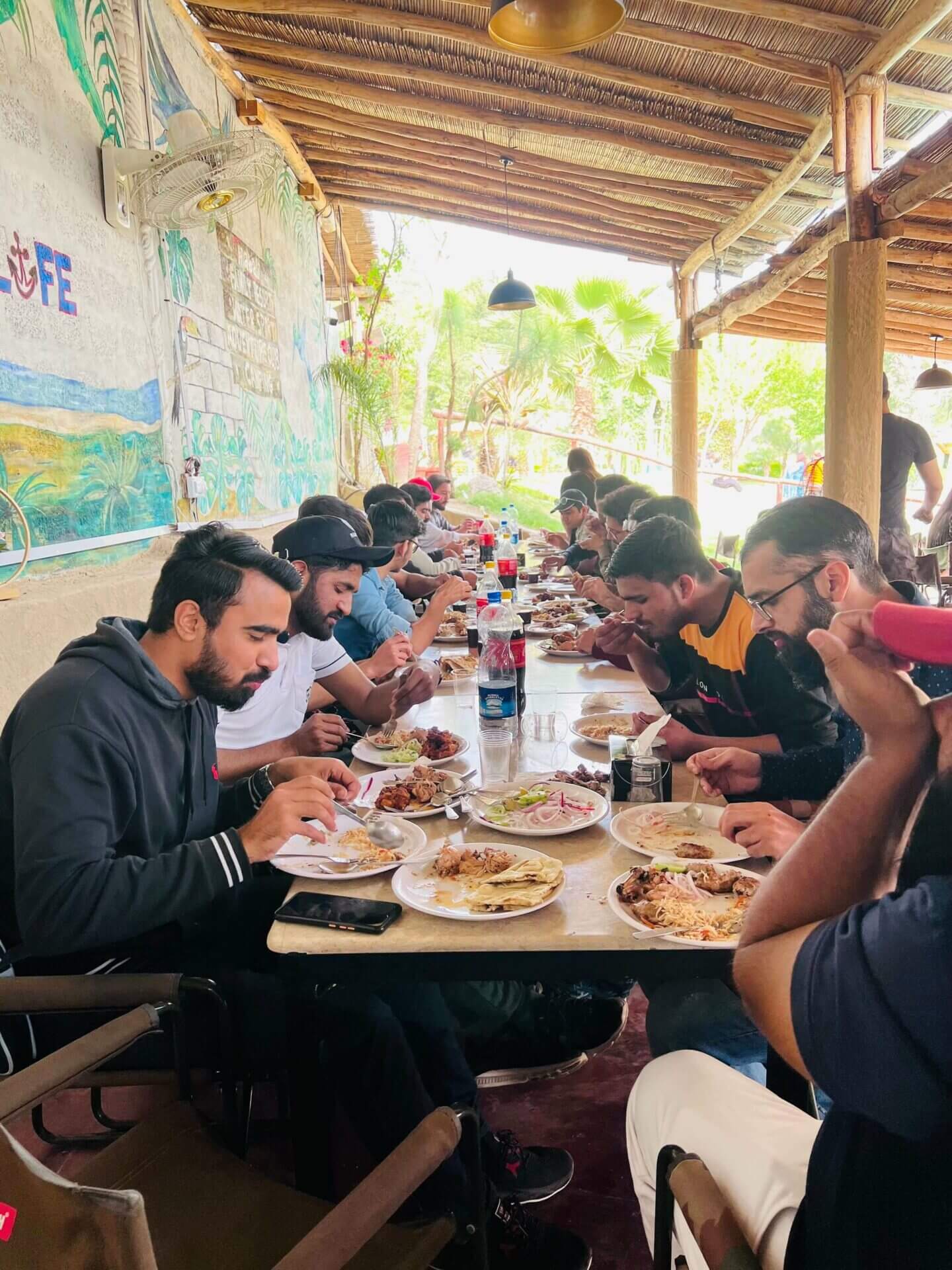
Snaps from Lunch break

Snaps from Lunch break

Team Walee on their way to Parasailing.
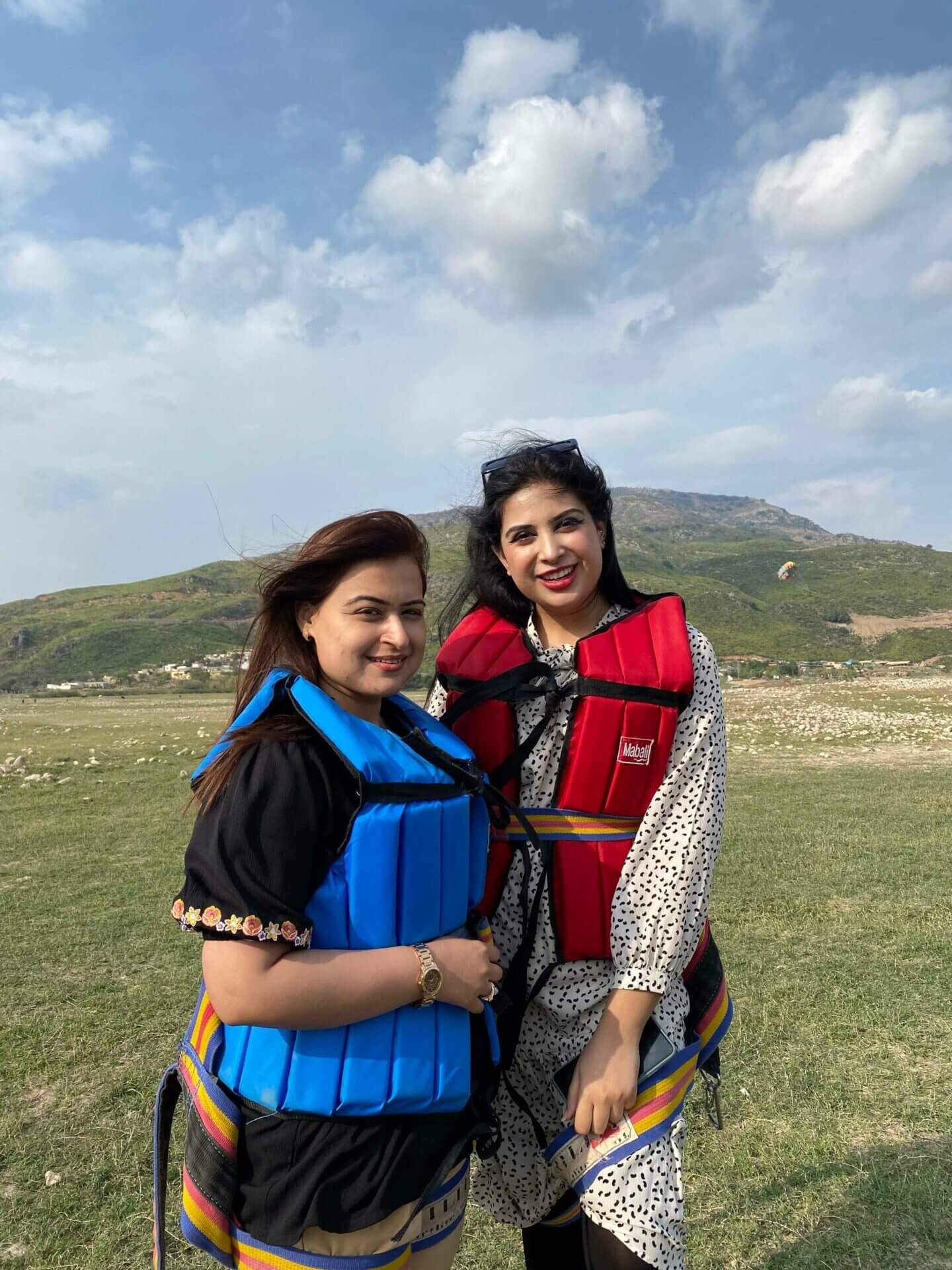
Team Walee all set to parasail.

Team Walee enjoying the thrilling jet ski

Team Walee enjoying the thrilling jet ski.

Best platform for influencers | TikTok Vs Instagram
In the last decade or so, social media has become a key platform for influencers to showcase themselves, build their brand, and engage with their audience. Two of the most popular social media platforms for influencers are; TikTok and Instagram. While Instagram has been an influencer favourite for several years, the recent explosion of TikTok has transformed it to one of the leading social media platforms globally which now competes with Instagram.
While both platforms offer unique benefits for influencers, choosing between them can be a difficult decision. Let’s compare both platforms and help you decide which one is best for you.

Audience and Demographics
One of the most prominent differences between TikTok and Instagram is their user bases. Instagram has a more diverse user base, with over two billion active monthly users, and appeals to a much broader audience. On the other hand, TikTok is a newer platform with 800 million active monthly users and rising. TikTok’s audience is mostly younger and comprises mainly Gen Z users. Hence if your target audience is younger, then TikTok might be the better choice for you. However, if you are looking to target a more diverse audience, then Instagram might be a better option.
In the case of Pakistan however, TikTok has emerged as the second most popular platform after Facebook with an approximate 30M user base and rising compared to Instagram which is somewhere closer to 16M users approximately, as of May 2023. While initially, TikTok emerged as a platform more favored in rural, semi-urban areas, with a tilt towards mass reach and popularity in the lower SECs, however with time it has gained momentum across social segments and is now as popular in the affluent urban sector. Instagram, on the other hand, has always been more celebrated in the upper SECs while gaining major traction with celebrities, lifestyle influencers and travel coaches, fashion, and self-care category creators.
Content Creation
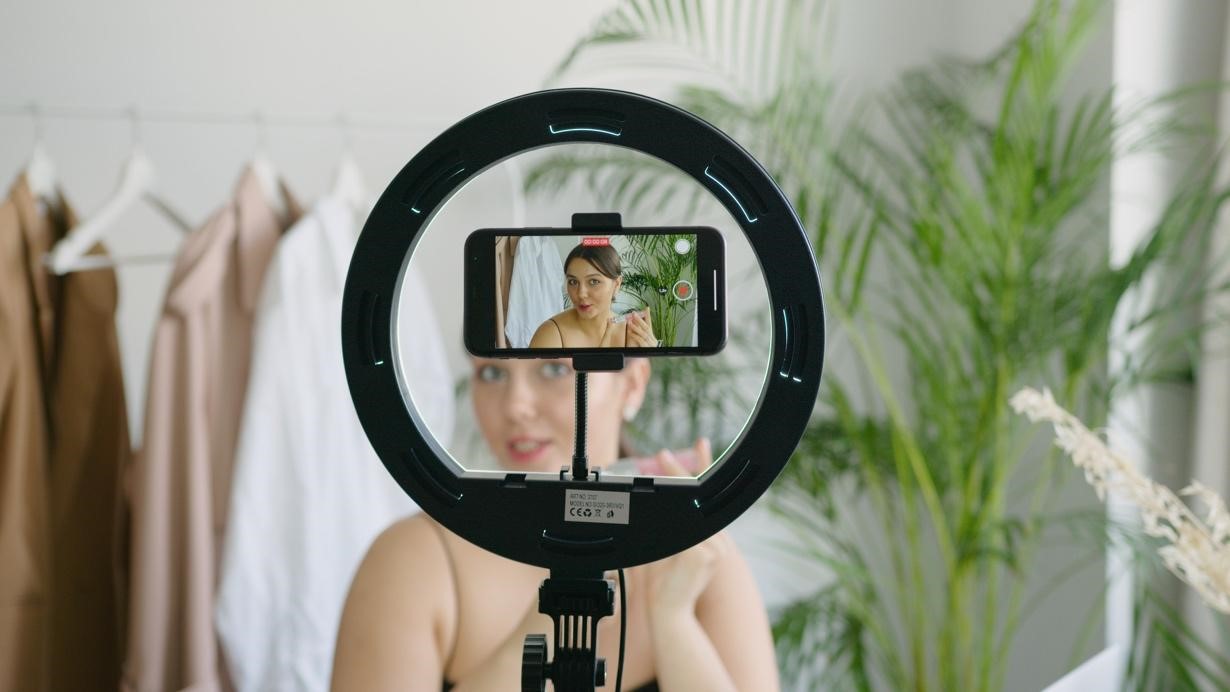
Another major difference between TikTok and Instagram is the type of content that is posted on the platform and what kind of content performs well on each. TikTok is solely a video-based platform that allows users to create vertical short-form videos with background music/audio and an array of filters. On the other hand, Instagram allows users to post images, carousels, stories, short-form videos (Reels), long-form videos (IGTV), streaming (Live), and listicles (Guides). Instagram’s algorithm also favors visually appealing ‘aesthetically pleasing’ content, making it a great platform for photographers, designers, and artists.

Engagement and Reach
Both TikTok and Instagram use unique algorithms that decide what content to show their users. Both platforms focus on analyzing user behavior and in turn generating specific content according to the preferences of the user. TikTok’s algorithm makes use of machine learning to generate a curated feed of videos based on user preferences and past interactions i.e., videos that users engage with more regularlyand on repeat; those that receive more likes, comments, and shares have a higher chance of appearing on the ‘For You’ page. Instagram’s algorithm also focuses on personalized content based on relevance and user interactions; however, it targets both static and video content while Tiktok prioritizes short-form videos and promotes content from a wider range of creators, hence making it easier to go ‘viral’ on TikTok.

Monetization
For influencers, monetization and how much revenue they are able to generate are critical factors to consider when choosing a platform. On Instagram, influencers can earn through sponsored posts, affiliate marketing, and selling their products. On the other hand, TikTok has its ‘Creator Fund’, where users can earn money based on the views and engagement their videos get. While both platforms offer monetization opportunities, Instagram has more lucrative options for influencers and has more established influencer marketing practices.
Hence, in conclusion, choosing between TikTok and Instagram can be a rather difficult decision for influencers. Both platforms offer unique features and benefits that can help influencers develop their careers and establish themselves in the content creator space. However, the decision ultimately depends on what your target audience is, what type of content you post, your engagement goals, and monetization objectives. We recommend experimenting with both platforms to find the one that works best for you!
Check out Walee’s Creator Academy to learn more tips and tricks on which platform works best for you. Keep creating!
How to Score your Dream Campaign?
What gets you excited when you think about how to secure your dream campaign? Is it the content, technology, futuristic approach, influencer or the brand you imagine yourself working with?
Let’s admit it, even content creators are all consumers and every consumer has their favorite brands in almost every category. On top of it, there are brands that make us excited just thinking about them. Chances are that if you love buying it, you most likely would love to talk about it. How about getting a chance to work with and promote the brand that makes you feel good? Tell the world why you feel that way.
Just imagining scoring your dream influencer marketing campaign feels so exciting. Think about how fulfilling it would be when you turn your imagination into reality. Want to learn how to make it possible? Keep reading to find out!
First, you will need to establish yourself in the influencer space. Create your own value as a content creator for any brand, including your favorite, to get noticed. Top brands often work with creators with a distinct following and above-average industry engagement rates. They should also possess a sizable reach among a specific niche audience, aiding their social media marketing and content creation efforts. But where and how do we get started on this journey of achieving our goal?

Target Audience & Brand Values
To succeed, create fantastic content ideas and execution formats, but it’s fruitful only if you have a loyal, resonating audience. The key that really helps is if the values of your content are the same as the brand you want to work with on a specific influencer marketing campaign. It doesn’t mean you need to change yourself or your content direction for the brand. However, your content must attract the same audience as the brand you want to tap into and make an impact.

Integration and Collaboration
These days brands have access to all the relevant information related to their influencer marketing campaigns. These include potential reach, audience insights, engagement rates, and relevant metrics about any influencer. Obtain these metrics through 3rd party tools like WALEE IM & WALEE IIR.
Smart, mature, and sophisticated brands have figured out that not selecting the right influencer can cost them a lot more than the content creators’ hiring price and worth. Hence, integrating your work around common topics, themes and clusters can help you achieve desired results quickly for brands to take notice.
For example, top beauty and fashion brands targeting women would likely select those content creators for their influencer marketing campaigns, whose content revolves around empowered women seeking beauty and fashion advice. However, if you are a blogger then the keywords need to depict the same if scanned through content audit. Besides this, collaborating with other creators with similar values will help you expand your reach and noticeability.

Required Skillset
If you want to get noticed in the commercial market then one must also possess the skill-set needed to be able to execute the desired format of content and make it stand out. This can either be in the form of capturing pictures, recording and editing videos or discovering unexplored places to eat or travel to. It doesn’t mean you need to become an expert at everything but at least have the basic command required to complete the task from ideation to presentation, whether you do it as a group of team members collaboratively or alone as a single social influencer, quality takes precedence over quantity.

Authentic Work
Another important factor is that large leading brands like to give more freedom to influencers after communicating the key idea behind the campaign. Influencers know their audience and a script which helps retain the authenticity of their content and minimize angles in promotion that would give away a contrived, artificial picture. A good example of such a pitch of ideas is the work of Mahvish Ahmed.

Power of Narrative
Another way to score your dream campaign is through the feeling that the influencer’s account is giving e.g. Arsalan Ash’s page exudes a local game geek feel, while Daniyal Sheikh has an investigative approach to his videos. Your tonal aesthetics and style should coincide with the brand’s intent. It might be through sensory branding, storytelling, empowerment or cause branding. Your account can give the same vibe as the brand and hence attract or persuade the brand to collaborate with the influencer for its content marketing.

Engage with Desired Brands
To get the attention of the brand(s) one wants to work with, it’s encouraged as a creator (from your official creator account) to engage with them on social media i.e. by liking and following their page activity, while sharing and commenting on their posts. This in turn will help to build a relationship with the brand and get you on their noticeability radar.
Reaching Out
Once you have established your niche and content that aligns with your dream brand, you can always reach out to them for collaboration. Just make sure to personalize your message and highlight your relevant experience and skills. Explain how you can help the brand achieve its marketing objectives, and provide examples of your previous work.

Be Patient
As building relationships with brands takes time, so don’t be discouraged if you don’t get an immediate response. Keep creating high-quality content and try not to miss any chances that can help you engage with the brand, as chances are that eventually, you’ll get noticed.
To summarize, the road to scoring your dream campaign with a desired brand can seem a little daunting for any creator. But if you have put in the hours to understand, study and know the brand, then the next step is working on your own strong persona as an influencer and infusing it to create high-quality content, while engaging and reaching out to target with your best foot forward. Last bit relates to consistency and most importantly being patient. Hence, with persistence and hard work, you can increase your chances of landing your dream campaign with your favorite brand. Let us know if you found these suggestions useful and feel free to share with us in the comments, if you would like to add any more to these.
Explore further tips and tricks on Walee’s Creator Academy to fuel your creativity! Do check it out and keep creating!
Create your own Niche as an Influencer
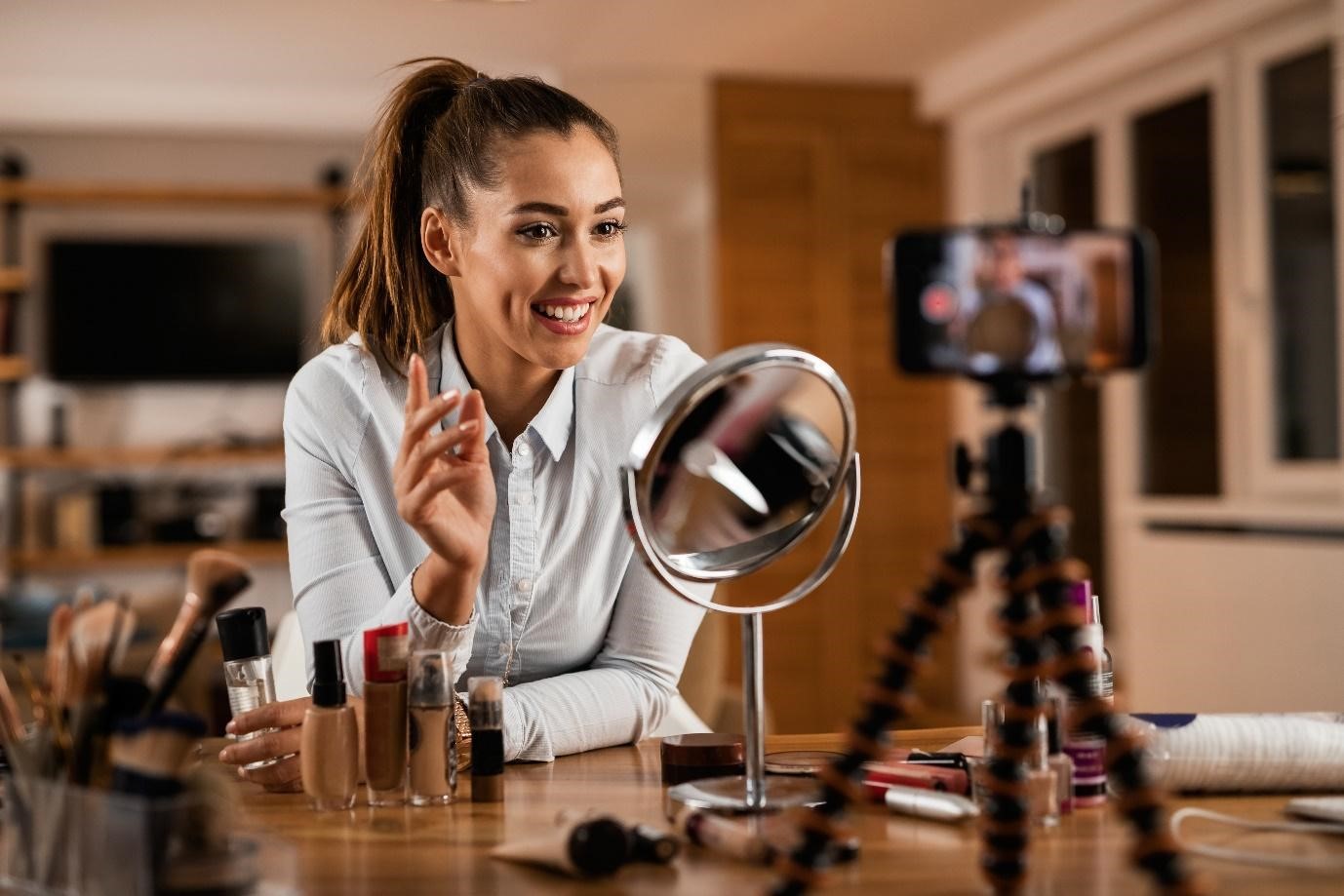
Becoming an influencer is an exciting opportunity to share your passions and interests with a wider audience. Create your own niche as an Influencer and standout in the creator space. In today’s digital age, influencer marketing has become an essential part of any successful marketing strategy. With the rise of social media platforms like TikTok, Instagram, and YouTube, social influencers and video creators have gained enormous followings and influence over their audience. Hence, in a crowded market, it can be challenging to stand out and gain a significant audience base.
One approach to establishing yourself as a successful content creator is to create your own niche. Creating your own niche allows you to distinguish yourself from other influencers in the content creator industry. It facilitates you to create your unique selling point and deliver value to your audience. Here are a few tips we would like to share with you on this topic.
Find your Passion
The first step in creating your own niche is to identify your passion. What are you truly interested in, and what could you talk about for hours on your influencer platform? It could be anything from cooking, to fashion, from travel to fitness, or even an amalgamation of multiple interests. Identifying your passion lets you be able to create content that is authentic, engaging, and that can resonate with your audience.
Research Your Audience
After recognizing your passion, it’s vital to explore your audience. Who are the people that would be interested in your content marketing? What are their needs and wants? By knowing your audience, you can create content that is relevant to them and provides value. You can also find out what type of content they like, the influencer platforms they use, and the ways in which they engage with other influencers in your niche. This helps you create content that echoes with them.

Define your unique selling point
To stand out as an influencer, you must define your unique selling point. What makes you stand out from other social influencers in your niche? This could be your personality, your approach to content, or the way you present yourself to your audience. Your unique selling point should be something that your audience can’t find anywhere else, and that should resonate with their aspirations, goals, and pain points.
Content-Type
Additionally, you can determine the type of content your audiences prefer, the platforms they frequent, and how they interact with other influencers in your niche. This information is vital for crafting social media marketing content creation that aligns with your audience’s interests. Creating high-quality content is essential once you have identified your niche and unique selling point. This could be in the form of blog posts, videos, social media posts, or any other type of content that your audience is interested in. Your content should be engaging, informative, visually appealing, and high quality.
Engage With Your Audience
Lastly, engaging with your audience is crucial to growing your following and establishing yourself as an influencer. Respond to comments, ask for feedback, and show your followers that you care about them. This will help you build a loyal following and establish your presence as a content creator in your niche.
To summarise, creating your own niche as an influencer takes time and commitment. Identifying your audience is a crucial step in content marketing and social media marketing content creation. Understanding their needs and wants can help you create content that is valuable and resonates with them. If you are following the above-mentioned steps, then with continuity of effort you will have higher chances of establishing yourself as a successful content creator in a crowded market.
Additionally, it can aid in your influencer marketing efforts, allowing you to connect with social influencers and reach a broader audience through the right platform for influencers. Remember to stay consistent with your content and engage with your audience regularly to grow your following and achieve your goals.
Check out Walee’s Creator Academy to learn more tips and tricks. Keep creating!

What is the right platform for Content?
With the ever-growing number of social media platforms, it can be overwhelming to identify which one is worth your time. Choosing the right platform is essential. It should match your niche and the content you create to build a strong online following. Each platform on social media offers a unique set of features, audiences, and content types. Hence, it is important to tailor your content according to what works on that specific medium.
The choice of platform depends on content and genre specialization, like fashion, lifestyle, gaming, and food, among other factors. Consider your content type and niche when choosing the right platform for your online presence. One must identify where their content will thrive in terms of views, reach, and engagement before uploading it. But don’t you worry, we’ve got your back. Here are some factors to consider when choosing the right platform for your content.

Content-Type
Some platforms are more visual, like Instagram and TikTok, while others, like Twitter and LinkedIn, are more text-based. If you’re a visual content creator, then platforms like Instagram and TikTok will be a better fit for you. But if your forte is writing, then Twitter or LinkedIn might be your cup of tea. Similarly, in terms of upload, blogs are usually hosted on websites and long video formats are more suitable for Youtube. However, since the mediums compete with each other for consumers’ attention and time, the boundaries are less rigid. Hence, in the footsteps of TikTok, Youtube shorts, Facebook, and Instagram reels; highlight the increasing trend of short video format consumption, which can also drive better results for other content types as well.

Audience Mindset
Different platforms attract different types of users with different mindsets.. For example, Instagram is known for its highly visual content and tends to attract a younger, more fashion-conscious audience; focusing more on aesthetics and creativity with its content often being centered around fashion, beauty, and lifestyle. On the other hand, TikTok has a more lighthearted and playful audience mindset and comprises a younger and more creative user base. The platform is based on short-form videos, which focus heavily on music, lip-syncs, and act-outs.
Most of the content is often characterized by humor, relatability, and a sense of fun. Meanwhile, Facebook has a more diverse audience base and can attract users of all ages and interests. This platform is more conversational, and users often use it to engage with others and share their thoughts and opinions. Thus, consider the type of audience you want to reach and then choose a platform that attracts the same type of audience.

Optimizing Platform Selection for Audience Engagement
It’s also important to consider how people use and engage with each platform. For example, Instagram is often used for browsing and passive consumption, while platforms like Twitter, Facebook, and LinkedIn are more actively used for discussion and engagement. Think about the type of interaction you want to have with your audience and choose a platform that supports it.

Engagement Rates
One of the key metrics to consider, when choosing a social media platform is the engagement rate. This metric shows how actively your followers are interacting with your content. High engagement rates on a platform represent a more attractive audience base with maximum exposure to the target consumers for your content, giving a better chance of building a strong following. Hence, pre-empting and eventually choosing the space (on the basis of results), where your audience is likely to engage more, can work wonders.

Impressions
Getting higher impressions for your content is another important metric to keep in mind when choosing a platform. Impressions refer to the number of times your content has been seen. The more impressions you can get, the more visibility it will have and the greater your chances of building a following. So the social channel where your content can get greater impressions should also be a contributing factor, if not entirely determining the medium of choice.
In short, not all social platforms are suited to every creator’s style, content type, audience mindset, and behavior. It’s essential to take the time to understand each platform, and its metrics, so you can make an informed decision about which platform is best for you. By doing this, you can maximize your chances of building a successful audience base and growing your following.
Check out Walee’s Creator Academy to learn more tips and tricks. Keep creating!

Building the next generation of Sports Influencers
The partnership is built on a shared vision of grassroots development. This vision aligns with both organizations’ goals. These goals involve providing new opportunities for youth, nurturing talent to a world-class level in Pakistan, and creating more opportunities for rising sports players and influencers.
Legacy Cup, Inter-School Football Tournament
The best thing to come out of this partnership is the LEGACY CUP. It was an inter-school football tournament that took place from the 24th-26th of February at Ayub Park, Rawalpindi, Pakistan. Ten teams from different schools actively participated in the cup, and BMI emerged victorious with an 8-4 win. Additionally, athletes will receive mentorship programs, workshops, and other initiatives across Pakistan, alongside cash prizes and grand trophies.
The event is the first step in empowering the youth with the necessary skills and knowledge to become successful football players; Train them through professional coaching and create opportunities for social influence. The idea is to create a sustainable and thriving sports ecosystem in Pakistan that will nurture world-class talent and influencers capable of competing in the global sports industry.
About Football Factory
FOOTBALL FACTORY is Pakistan’s first independent grassroots development program. It caters to indigenous football talent, grooming them into skilled footballers and sportsmen for high-level competition. Faizan Sameer, CEO & founder of the Football Factory, expressed his views with excitement. He stated, “The vision of Football Factory is to provide a platform at the grassroots level to develop the young generation, fulfilling our dream of seeing Pakistan play in the World Cup soon.”
Since, no elite football can be complete without grassroots football, as it develops a strong foundation. Alternatively, there can be no pathway for young men and women footballers to play and represent Pakistan at the international level”. Faizan is a UEFA CFM graduate and Football Coach with having degree from the University of Lausanne in Football Management.
About Walee Creators Academy
WALEE CREATORS ACADEMY, in collaboration with IOP (Influencers of Pakistan), provides a learning platform for aspiring content creators. It offers firsthand knowledge from industry pioneers, featuring curated guidelines and how-to video tutorials. These resources help creators improve content, grow their following, and increase engagement to boost their revenue.

Commenting on the partnership, Ahsan Tahir, CEO and co-founder of WALEE also extended his support on the occasion with inspiring words, “This partnership encapsulates our vision of unifying the creator economy while helping the youth bring out their best potential at every level related to sports and digital media. We believe that developing sports influencers is essential to promoting football and creating a positive impact in today’s digital era.
By providing such opportunities, we can equip young enthusiasts with the skills and knowledge they need to excel in the industry. They can make a significant contribution to the influencer world in the coming years.
Legacy Cup & Football Factory
Legacy Cup is just the start of this collaboration with FOOTBALL FACTORY. WALEE aims to promote football by developing sports influencers in Pakistan. The goal is to provide a platform to the local community of football players and create influential sports figures who can inspire and drive positive change in society. It will lead Pakistan towards world-class football, where our teams can compete at the international level.
For more updates, follow our Instagram page & Youtube channel
What makes a Good Influencer?
Follower count vs. engagement rate
In the age of digital marketing, influencers play a vital role in creating brand awareness and generating leads. The main reason for that is people tend to trust the recommendations of influencers because of their relatability and popularity. But what determines the success of an influencer? Follower count or engagement rate.
Don't let big numbers deceive you
One can be easily deceived by the massive number of followers an influencer has, but the real question is: are those followers even organic? Or are they just paid? It does the brand no good if the followers are not real and do not engage with the content created by the influencer.

Engagement Rate, why it matters?
Engagement is defined as the likes, shares, and comments on a post, and when you divide it by the number of people seeing that content, you get the engagement rate. It tells us how much the followers care about the content that the influencer posts. You can have thousands or even millions of followers; but if the engagement rate is not good, the number of followers holds no importance or benefit.

Unlocking the Power of Influence
An influencer is named so because they possess the power to influence actions. That is why having a good engagement rate is better than having a vast number of followers – Quality over quantity. This means having quality followers is immensely important. They can be simply defined as active accounts that engage with your content rather than fake audiences or passive user handles, who are just sitting as a number on your profile.
How does Walee identify legit influencers?
To get insights, WALEE developed the proprietary IQS (Influencer Quality Score) method using AI and social listening tools. This has improved the reliability of comparing influencer categories. It assists in evaluating an influencer’s following quality, whether they are mega, micro, or nano influencers.
The Right Influencer
Each influencer has its own niche and passion points. Select content creators based on campaign relevance, not just popularity, to ensure alignment with the subject and message. For instance, if your campaign is related to cricket then Wasim Akram would be the right choice, not Mathira.

KPIs When Working with Brands
While some brands focus on follower count, many now prioritize influencers based on their engagement rate, a wise choice!
The number of followers an influencer has doesn’t always equate to engagement. Sometimes it’s quite the opposite. Brands prefer influencers who assist in achieving their desired KPIs, like increasing conversions or engagements, rather than running awareness campaigns.
Identify passion points for engagement by considering your target group’s age bracket and preferences. These data points will help you select the right content creators for your next campaign.