


Empower Yourself with Financial Literacy | Hakeem
Enhance your financial knowledge with Hakeem. Explore tips for effective money management, debt management, and retirement planning to secure your financial future.
Master the Basics of Financial Literacy
In today’s complex economic landscape, financial literacy is more important than ever. With major economies transitioning towards cashless transactions, understanding the fundamentals of personal finance has become a necessity. This blog is your guide to mastering the basics of financial literacy, covering essential topics such as effective money management, saving and investing strategies, debt management, and much more. Join us on this journey to financial empowerment with Hakeem.
Tips for Effective Money Management
Developing expertise in money management is essential for achieving financial stability and success. Start by having a good relationship with your money.
- Make a budget that matches your income with your expenses. This helps you track where your money goes and find opportunities to save.
- Include saving money in your budget.
- Set aside a portion of your earnings each month for various goals, such as saving for emergencies or for a trip.
Set financial goals to provide direction and motivation for your efforts, whether it’s building an emergency fund, saving for a vacation, or investing for retirement. By prioritizing needs over wants and making conscious spending decisions, you can make the most of your financial resources and achieve your long-term objectives.
Saving and Investment knowledge: Keys to Financial Literacy & Security
The world of finance goes beyond mere saving; it’s about actively multiplying your wealth through strategic investment decisions. Start by fortifying your financial foundation with an emergency fund, shielding you from unforeseen expenses and ensuring stability.
From there, explore the investment possibilities: from stocks and bonds to mutual funds and real estate. But don’t stop there; consider the power of reinvestment, where your earnings generate further income, compounding your wealth over time. Collaborating with a financial advisor can elevate your strategy, tailoring it to your risk appetite, aspirations, and time horizon, unlocking the potential for sustained financial growth.
Debt Management: Take Control of Your Finances
Having debts can make it hard to do well with money, but you can deal with them if you manage them right. First, figure out how much you owe, how much interest you’re paying, and when you have to pay it back. Make a plan to pay off the debts with the highest interest rates first. You can also try combining your debts, moving them to lower-interest accounts, or talking to the people you owe money to about lowering the interest rates. This can help you pay off what you owe faster.
Build Good Credit: Strategies for Success
Your credit score plays a crucial role in your financial life, influencing your ability to borrow money, secure housing, and even find employment. Building good credit requires responsible financial habits, such as making timely payments, keeping credit card balances low, and avoiding unnecessary credit inquiries. Monitor your credit report regularly to identify any errors or discrepancies and take steps to correct them. By maintaining good credit habits, you can improve your credit score over time and unlock better financial opportunities.
SMART Financial Goals: Plan for Success
Setting SMART (Specific, Measurable, Achievable, Relevant, Time-bound) financial goals is essential for achieving long-term financial success. Whether your goals involve saving for retirement, buying a home, or paying off debt, it’s important to make them specific and actionable. Break down larger goals into smaller, manageable steps, and track your progress regularly to stay motivated and accountable. By setting SMART financial goals, you can turn your dreams into reality and build a brighter financial future.
Financial Planning: Secure Your Future
Financial planning is the process of setting goals, evaluating your current financial situation, and developing a roadmap to achieve your objectives. Start by assessing your financial strengths and weaknesses, including your income, expenses, assets, and liabilities. Then, identify your short-term and long-term financial goals, such as retirement planning, education funding, or estate planning. Develop a comprehensive financial plan that outlines actionable steps to achieve your goals and adapt it as your circumstances change.
Protect Finances: Role of Insurance
Insurance plays a vital role in protecting your finances against unforeseen events and risks. Whether it’s health insurance, life insurance, disability insurance, or property insurance, having the right coverage can provide peace of mind and financial security for you and your loved ones. Evaluate your insurance needs based on your lifestyle, family situation, and financial goals, and choose policies that offer adequate coverage at an affordable price. By prioritizing insurance protection, you can safeguard your finances and mitigate potential losses.
Economic Essentials: Understand Key Concepts
Understanding key economic concepts is essential for making informed financial decisions and navigating the complexities of the global economy. Concepts such as inflation, interest rates, GDP (Gross Domestic Product), and fiscal policy can impact your personal finances, investments, and purchasing power. Stay informed about economic trends and developments by following reputable sources of financial news and analysis. By gaining a deeper understanding of economic essentials, you can better position yourself to respond to changing market conditions and capitalize on opportunities.
Financial Literacy Resources: Tools & Tips
When it comes to mastering financial literacy, having access to the right tools and money management tips can make all the difference.
Online Courses and Workshops:
Many reputable institutions and organizations offer online courses and workshops covering various aspects of personal finance. These resources provide valuable insights into topics such as budgeting, investing, debt management, and retirement planning. Look for courses tailored to your specific needs and learning preferences, and take advantage of the flexibility and convenience they offer.
Books and Podcasts:
These are excellent resources for learning about personal finance in a more accessible and engaging format. There is a wealth of literature available on topics ranging from basic money management principles to advanced investment strategies. Similarly, podcasts offer a convenient way to stay informed and inspired while on the go. Look for titles recommended by experts in the field and explore different perspectives to broaden your understanding.
Financial Planning Tools:
Utilizing financial planning tools can help you organize your finances, set realistic goals, and track your progress over time. These tools come in various forms, including budgeting apps, expense trackers, and retirement calculators. Choose tools that align with your financial goals and preferences, and make it a habit to review your financial status regularly to stay on track.
Budgeting Apps:
Budgeting apps are invaluable tools for managing your finances effectively. They allow you to track your income and expenses, set spending limits, and identify areas where you can save money. Many budgeting apps also offer features such as bill reminders, goal setting, and financial reports to help you stay organized and motivated.
Investment Calculators:
Whether you’re new to investing or a seasoned investor, investment calculators can be invaluable tools for making informed decisions. These calculators allow you to estimate potential returns, compare different investment options, and assess the impact of various factors on your investment portfolio. By using investment calculators, you can make more confident investment decisions and maximize your long-term returns.
Take Control of YOUR Finances NOW
Mastering the basics of financial literacy is essential for achieving financial stability, security, and success. Alongside utilizing financial tools, incorporating effective money management tips into your daily life can significantly improve your financial health. Some key tips include creating a realistic budget and sticking to it, paying off high-interest debt, saving regularly, and investing wisely. Additionally, practicing mindful spending, avoiding unnecessary expenses, and staying informed about financial news and trends can help you make smarter financial decisions.
Start your journey to financial literacy today with Hakeem and take the first step towards a more prosperous tomorrow.


Empowering the Unbanked: Financial Services for Inclusive Growth
Explore the world of financial services for the unbanked, from community banking to digital wallets. Learn how Hakeem is leading the way in promoting financial inclusion.
Understanding Financial Services for the Unbanked
In today’s interconnected world, Facing financial exclusion despite global advancements, 2.5 billion people remain excluded from the formal banking system, lacking access to basic financial services. This perpetuates cycles of poverty and restricts economic opportunities for the unbanked population.
Many of these individuals are underprivileged, lacking access to education and basic needs. This exacerbates their marginalized status, further hindering their ability to break free from poverty traps. Empowering the unbanked extends beyond merely providing bank accounts; it involves addressing the root causes of their financial exclusion and equipping them with the necessary tools to build brighter futures.
Overview of Unbanked Population
Lack of Financial Inclusion: Despite technological advancements and improved banking infrastructure, a significant portion of the global population remains unbanked. These individuals lack access to fundamental financial services like savings accounts, credit facilities, and insurance.
Barriers to Access: The unbanked population often faces barriers beyond physical accessibility. Many individuals lack understanding and awareness of the importance and utility of banking services. In remote areas or urban slums, where traditional banking services are scarce or deemed unnecessary, the unbanked population continues to grow.
Leveraging Financial Inclusion for Poverty Reduction
Addressing the Need: Recognizing the need for financial inclusion goes beyond physical accessibility. It involves raising awareness about the benefits of banking services and providing tailored solutions to meet the diverse needs of unbanked individuals.
Unlocking Economic Potential: Overcoming barriers to financial inclusion is crucial for unlocking the economic potential of the unbanked. Access to basic financial services not only empowers individuals to manage their finances better but also opens doors to entrepreneurship, investment, and economic mobility.
Reducing Poverty: By addressing the root causes of financial exclusion and providing access to essential financial services, we can work towards reducing poverty and fostering sustainable development among the unbanked population.
Empowering the Unbanked through Financial Inclusion
Financial inclusion is more than just providing access to bank accounts; it is about empowering individuals and communities to participate fully in the economy. By extending financial services to the unbanked, we can promote economic growth, reduce inequality, and foster social development. Access to formal financial services enables the unbanked to save money securely, access credit for entrepreneurial ventures, and protect themselves against unforeseen risks. In essence, financial inclusion is a catalyst for inclusive growth and sustainable development.
Meeting the Needs of the Unbanked
To cater to the needs of the unbanked population, a range of financial services has emerged, offering alternative banking solutions tailored to their circumstances. These services go beyond traditional banking to encompass community banking initiatives, digital wallets, prepaid cards, cash transfer services, and informal financial services. Each of these offerings plays a unique role in bridging the gap between the unbanked and the formal financial system, providing them with access to essential financial tools and resources.
Providing Small-Scale Financial Services
One of the key strategies for serving the unbanked is through small-scale financial services that are accessible, affordable, and easy to use. Community banking initiatives, for example, establish local financial institutions within underserved communities, offering savings accounts, microloans, and other basic banking services. These initiatives foster trust and familiarity among the unbanked, encouraging them to engage with formal financial institutions and build financial resilience.
Community Banking Initiatives: Fostering Local Financial Solutions
Community banking initiatives are grassroots efforts aimed at addressing the financial needs of underserved communities. By establishing local cooperative banks or credit unions, these initiatives provide a range of financial services tailored to the specific needs of the community. From providing microloans to supporting savings and investment schemes, community banking fosters financial autonomy and self-reliance, empowering individuals to take control of their financial futures.
Digital Wallets and Prepaid Cards: Facilitating Financial Transactions
Digital wallets and prepaid cards have emerged as game-changers in the realm of financial services for the unbanked. These electronic payment solutions enable individuals to store, send, and receive money digitally, without the need for a traditional bank account. Digital wallets, accessible via mobile phones, allow users to make payments, pay bills, and even access credit services. Similarly, prepaid cards offer a convenient and secure way to manage money, particularly for those without access to formal banking services.
Cash Transfer Services: Enabling Secure and Convenient Remittances
For many unbanked individuals, remittances from family members working abroad are a vital source of income. Cash transfer services provide a safe and efficient way to send and receive money across borders, facilitating remittances for the unbanked. By partnering with financial service providers and mobile network operators, cash transfer services ensure that funds reach their intended recipients quickly and securely, reducing the reliance on costly and often unsafe informal remittance channels.
Addressing Financial Needs in Informal Economies
In addition to formal financial services, the unbanked often rely on informal financial mechanisms to meet their daily needs. Informal savings groups, rotating savings and credit associations (ROSCAs), and microfinance institutions play a crucial role in providing financial services to underserved communities. These informal structures offer a safety net for the unbanked, allowing them to access credit, save money, and manage financial risks in the absence of formal banking infrastructure.
Bridge the Gap between the Unbanked and the Financial System with Hakeem
Financial services for the unbanked are essential for promoting economic empowerment and fostering inclusive growth. By leveraging innovative solutions such as community banking, digital wallets, prepaid cards, and cash transfer services, we can bridge the gap between the unbanked and the formal financial system. Hakeem is committed to advancing financial inclusion by providing accessible and affordable banking solutions tailored to the needs of underserved communities.
Join us in our mission to empower the unbanked and build a more inclusive financial future for all.
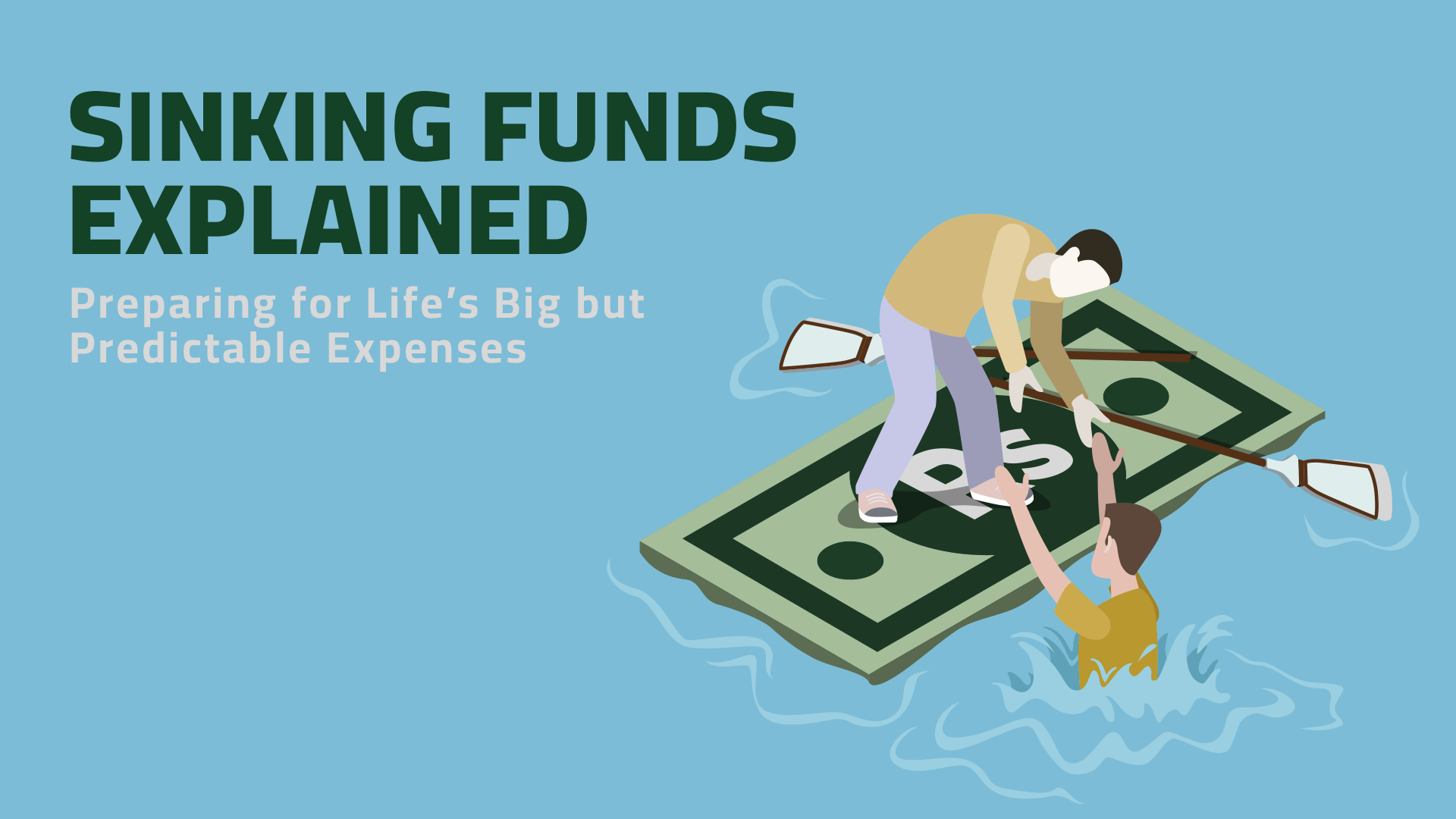
Sinking Funds Explained: Preparing for Life’s Big but Predictable Expenses
Most families aren’t caught off guard by emergencies, they’re caught by expenses they already knew were coming.
School fees. Weddings. Eid. Annual bills.
They arrive like clockwork, yet still create last-minute stress.
That’s where sinking funds come in.
A simple habit of saving a little each month can turn financial pressure into financial control.
If you want to stop borrowing, avoid panic, and prepare for life’s predictable expenses, this is a habit worth building.
Small steps = big peace of mind.
Sinking Funds Explained: Preparing for Life’s Big but Predictable Expenses
Most families don’t get caught off guard by emergencies, they get caught by expenses they already knew were coming: the school admission fee due every March, a cousin’s wedding next summer, Eid celebrations that arrive like clockwork, or even the annual bills. These aren’t surprises, yet many households still end up scrambling at the last minute, dipping into emergency savings or borrowing money just to get through.
There’s an easier way to handle these costs. You don’t need to borrow, and you don’t need to give up everything you enjoy, just save a little at a time, slowly building up the money you’ll need. This method is called a sinking fund.
What Is a Sinking Fund?
A sinking fund is money that you set aside regularly for expenses you can already see coming. It’s not the same as emergency savings, which is for sudden problems like hospital bills or a broken motorbike. A sinking fund is for the big but predictable costs- school admission fees, weddings, annual rent increases, or Eid shopping.
It’s like building a wall one brick at a time, each piece feels small, but over time you end up with something strong and complete. If you know an expense will cost Rs. 60,000 in twelve months, saving Rs. 5,000 each month feels much easier. When the expense finally comes due, you already have the cash set aside, ready to use. The key is to keep each goal separate. If the money is for school, it’s only for school; if it’s for rent, it’s only for rent. That way, when the time comes, you don’t have to think twice- you already know where the money will go.
Why Sinking Funds Work
When a big expense suddenly arrives and you don’t have money set aside, there are only a few choices: borrow from friends or relatives, take out a loan, or delay payment. Each of these brings stress. Borrowing can strain relationships, loans still need to be paid off long after the event is over, and delays often create added problems or embarrassment.
A sinking fund changes that story. By putting away a little each month, you avoid the shock of one large payment. It also builds a sense of control. Instead of feeling that life’s expenses are always pushing you around, you get ahead of them. This calm is often more valuable than the money itself. Knowing that the wedding fund, the school fee fund, or the rent fund is quietly growing in the background gives confidence and relief.
How to Start a Sinking Fund
Starting a sinking fund isn’t complicated, the key is to plan early and stay consistent.
Step 1: List the big expenses you know are coming.
This could be school admission fees, Eid shopping, a family wedding, or yearly car costs. Write them down so you can see them clearly.
Step 2: Work out how much time you have.
If school fees are due in 12 months, you have 12 chances to save before the deadline.
Step 3: Divide the cost into smaller parts.
If the total is Rs. 60,000 and you have 12 months, that’s Rs. 5,000 per month. Even if you cannot reach the full amount, saving something is always better than nothing.
Step 4: Choose where to keep the money.
You can use a separate bank sub-account, a mobile wallet, or even a labeled envelope at home if you’re comfortable with cash. The important part is to keep it separate from daily spending.
Step 5: Stay consistent.
Set a reminder each month or link it to your salary day. Over time, you’ll see the fund grow, and the pressure of the big expense will disappear.
Sinking Fund Mistakes to Avoid
There are many ways to keep a sinking fund, and the best choice depends on what feels safe and easy for you. Some people prefer digital tools, while others are more comfortable using cash at home but either method only works if you stay disciplined.
Mobile wallets and banking apps make saving more convenient. Some mobile wallets allow you to create mini-wallets or goal balances where you can transfer a small amount each month and keep it separate from your main balance. Several banks also offer features like “savings pockets” or sub-accounts. The advantage of digital tools is safety: you don’t have to keep cash at home, and you can track your progress anytime on your phone.
But traditional cash methods can also work well, especially in households where people already save money this way. You can use envelopes or small boxes, each marked for its purpose. Even if the amounts are small, separating them physically makes it easier not to spend them by mistake. Either way, what matters most is not the tool itself but consistency. Whether you’re saving on an app or in an envelope, the habit of putting something aside each month is what makes the sinking fund succeed.
Common Mistakes and How to Avoid Them
Like anything related to money, sinking funds can go wrong if they’re not handled carefully. The good news is that most problems are simple to fix once you notice them.
1, Mixing sinking funds with emergency savings.
An emergency fund is for sudden shocks- like hospital bills or job loss. A sinking fund is for expenses you already know are coming. If you mix the two, you risk having nothing left when a real emergency happens. Keep them separate, even if the amounts are small.
2, Starting too late.
Many people wait until a few months before the expense to begin saving but by then, the monthly amount feels too big and discouraging. The earlier you start, the smaller each contribution needs to be.
3, Borrowing from one fund to cover another.
It’s tempting to take “just a little” from the school fee fund to cover groceries, but this breaks the purpose of the system. If income is short, reduce the amount you put in, but avoid dipping into funds that are already built.
4, Underestimating the real cost.
Events like weddings or Eid often cost more than expected. Be realistic and add a small cushion when planning. Saving a little extra now is better than being short later.
Making Sinking Funds Part of Everyday Life
The best way to make sinking funds work is to treat them as part of your normal routine, not as something extra. Link them to your income cycle: every time salary or daily wages come in, move a small amount straight into your chosen fund before spending on anything else. Even if it’s only a few hundred rupees, the habit matters more than the size. For families with irregular income, such as daily workers or small business owners, contributions can change month by month. Save a little more in months when income is higher, and a smaller amount when times are tight. What matters is that the fund keeps moving forward instead of stopping completely.
Conclusion
Big expenses are part of life. They arrive regularly, yet many families still feel pressure when the time comes because there was no plan in place. A sinking fund removes that stress. By setting aside a little each month, you spread the cost over time and stay prepared instead of scrambling. The beauty of this method is its simplicity. You don’t need complex tools, just the discipline of keeping money separate for each purpose; mobile wallets, bank apps, or even envelopes at home can all work. What matters most is staying consistent.
With this habit, you gain peace of mind. When the expense arrives, the money is ready, and you can focus on the event itself rather than worrying about how to pay for it. That’s the real power of a sinking fund: turning financial stress into financial confidence, one small step at a time.
Hashtags: #SinkingFunds #SmartSaving #MoneyManagement #BudgetingTips

What is Invoice Factoring and How Can It Benefit Your Business?
Discover the power of invoice factoring to enhance cash flow and fuel business growth. Learn how Hakeem’s invoice factoring services can support your business needs.
What is Invoice Factoring: A Guide to Improving Cash Flow
In the world of business finance, invoice factoring has emerged as a powerful tool for companies seeking to optimize their cash flow and accelerate growth. But what exactly is invoice factoring, and how can it benefit your business? This blog explains the intricacies of invoice factoring, exploring its benefits, how it works, different types, eligibility criteria, selecting the right invoice factoring company, and much more. Keep scrolling to explore the potential of invoice factoring and take your business to new heights.
Benefits of Invoice Factoring for Businesses
It offers numerous benefits for businesses of all sizes. By converting accounts receivable financing into immediate cash, companies can improve their cash flow, access working capital finance, and seize growth opportunities without waiting for payment from customers. Additionally, it provides a flexible financing solution that aligns with the ebbs and flows of business operations, making it an ideal option for managing recurrent fluctuations or unexpected expenses.
How Invoice Factoring Works?
It is a straightforward process that involves selling accounts receivable financing to a third-party financial institution, known as a factor, at a discounted rate. The factor advances a percentage of the invoice value upfront, typically ranging from 70% to 90%, and assumes responsibility for collecting payment from the customer. After the customer pays the invoice completely, the factor sends the rest of the money to the business, after taking out a small fee for their help.
Different Types of Invoice Factoring
There are several variations of invoice factoring, including recourse invoice factoring and non-recourse invoice factoring. In recourse factoring, the business retains responsibility for any unpaid invoices, while in non-recourse factoring, the factor assumes the risk of non-payment. Additionally, some factors offer specialized services such as invoice advances or working capital finance, tailored to meet the unique needs of businesses.
Eligibility Criteria for Invoice Factoring
While eligibility criteria may vary depending on the invoice factoring company, businesses typically need to have a track record of invoicing customers and be in good financial standing. Factors may also consider factors such as the creditworthiness of the business’s customers and the quality of the accounts receivable financing portfolio when determining eligibility.
Selecting the Right Invoice Factoring Company
Choosing the right invoice factoring company is crucial for maximizing the benefits of invoice factoring. Businesses should consider factors such as the factor’s reputation, industry expertise, fee structure, customer service, and flexibility. By conducting thorough research and evaluating multiple options, businesses can select a factor that aligns with their specific needs and goals.
Advantages and Disadvantages of Invoice Factoring
While invoice factoring offers numerous advantages, including improved cash flow, access to working capital finance, and flexibility, it’s essential to consider potential drawbacks. These may include higher costs compared to traditional financing options, potential strain on customer relationships, and the risk of non-payment. By weighing the pros and cons, businesses can make an informed decision about whether invoice factoring is the right financing solution for them.
Invoice Factoring for Small Businesses
Small businesses can benefit significantly from invoice factoring, as it provides access to immediate cash flow without the need for lengthy credit checks or collateral. This can be particularly advantageous for startups or businesses with limited credit history, allowing them to fund operations, invest in growth initiatives, and navigate cash flow challenges more effectively.
Invoice Factoring for Startups
Startups often face unique financing challenges, including limited access to traditional financing options and unpredictable cash flow. Invoice factoring can provide startups with the necessary liquidity to fuel growth, without the need for equity dilution or taking on additional debt. By leveraging invoice factoring, startups can bridge the gap between invoicing and receiving payment, enabling them to focus on innovation and scaling their business.
Final Thoughts on Invoice Factoring
Invoice factoring is a powerful financing tool that offers numerous benefits for businesses seeking to boost their cash flow and fuel growth. By converting accounts receivable financing into immediate cash, businesses can access working capital finance, seize growth opportunities, and navigate cash flow challenges more effectively. As businesses continue to grow, remember that invoice factoring isn’t just a lifeline – it’s your secret weapon for success.
By partnering with a reputable invoice factoring company like Hakeem, businesses can access working capital finance, improve cash flow, and accelerate growth. Learn more about our services and move towards financial success.
Credit Scoring: What It Is and Why It Matters?
Discover the significance of credit scoring, its impact on financial opportunities, and tips for improvement. Learn more with Hakeem.
What is Credit Scoring and Why It Matters?
In the domain of personal finance, understanding your credit score is paramount. But what exactly is credit scoring, and why does it hold such significance? Let’s get into the details and find out. Exploring its definition, determinants, impact on financial opportunities, and more. By the end of this blog, you’ll have a clearer understanding of credit scoring and its implications for your financial well-being.
What Determines Your Credit Score?
Your credit score is a numerical representation of your creditworthiness, calculated based on various factors. These factors include your payment history, credit utilization ratio, length of credit history, types of credit accounts, and new credit inquiries. Each component plays a crucial role in determining your overall credit score, with some factors carrying more weight than others.
How It Impacts Financial Opportunities?
Your credit score has a significant impact on your ability to access financial opportunities such as loans, credit cards, mortgages, and more. Lenders use your credit score to assess the level of risk associated with lending you money. A higher credit score indicates a lower risk borrower, making you more likely to qualify for favorable loan terms and interest rates.
Exploring FICO Score, VantageScore, and Others
- Understanding Credit Scoring Models: Lenders rely on various credit scoring models, but the two most prevalent are the FICO Score and VantageScore.
- Different Models, Similar Factors: Both the FICO Score and VantageScore assess similar factors, such as payment history, credit utilization, and length of credit history.
- Weighting Variations: However, they may assign different weights to these factors, resulting in variations in credit scores between the two models.
- Impact on Creditworthiness: It’s crucial to know which credit scoring model your lender uses because it can affect your creditworthiness and the terms of any loans or credit you apply for.
Understanding the Differences
While the FICO Score is widely used and has been around longer, the VantageScore is gaining popularity for its use of alternative data and scoring methodology. Understanding these differences can help you better manage your credit and make informed financial decisions.
Understanding Good and Bad Credit Scores
Credit scores typically range from 300 to 850, with higher scores indicating better creditworthiness. A score above 700 is generally considered good, while a score below 600 may be seen as poor. However, the interpretation of credit scores may vary depending on the lender and the type of loan or credit product you’re applying for.
How to Check Your Credit Score?
Checking your credit score regularly is essential for monitoring your financial health and identifying areas for improvement. You can obtain your credit score from various sources, including credit bureaus, banks, credit card issuers, and online credit monitoring services. By staying informed about your credit score, you can take proactive steps to maintain or improve it over time.
Factors Affecting Credit Score: Payment History, Credit Utilization, and More
Several factors influence your credit score, with your payment history and credit utilization ratio being among the most significant. Your payment history reflects your track record of making on-time payments, while your credit utilization ratio measures the amount of credit you’re using compared to your available credit limits. Other factors, such as the length of your credit history, the types of credit accounts you have, and any new credit inquiries, also contribute to your credit score.
Tips for Improving Your Credit Score
- Make timely payments on all your credit accounts.
- Reduce your credit card balances to improve your credit utilization ratio.
- Avoid opening new credit accounts unnecessarily, as each new inquiry can temporarily lower your credit score.
- Implement these tips and practice responsible credit habits to gradually raise your credit score.
- Unlock better financial opportunities by improving your credit score.
Consider diversifying your credit mix by incorporating different types of credit accounts, such as installment loans and revolving credit lines. This strategy not only demonstrates your ability to manage various financial obligations responsibly but also contributes to improving credit score over time.
Furthermore, regularly reviewing your credit report for inaccuracies or fraudulent activity is essential. Disputing any errors promptly can help maintain the integrity of your credit profile and prevent potential negative effects on your credit score. Remember, patience and persistence are key when it comes to improving your credit score, but the long-term benefits are well worth the effort.
Take Proactive Steps and Strengthen Your Financial Standing
Credit scoring plays a crucial role in the modern financial setting, shaping individuals’ access to credit and financial opportunities. By understanding the factors that determine your credit score and taking proactive steps to improve it, you can strengthen your financial standing and achieve your long-term goals.
Hakeem is here to support you on your journey to financial success. Get in touch with us today to learn more about our services and how we can help you achieve your financial objectives.

Explore Convenience with Buy Now, Pay Later | Hakeem
Discover flexible payment options with Hakeem’s BNPL services. Learn how it works, benefits, eligibility, and tips for smarter shopping.
Understanding Buy Now, Pay Later Services: A Guide by Hakeem
In today’s digital age, convenience is key, especially when it comes to managing finances and making purchases. One such innovative solution revolutionizing the way people shop is Buy Now, Pay Later (BNPL) services. In this guide, we’ll delve into the world of BNPL, exploring its definition, benefits, functionality, eligibility criteria, and tips for optimal usage, all brought to you by Hakeem – your trusted partner in financial empowerment.
What is Buy Now, Pay Later?
Buy Now, Pay Later (BNPL) is a payment model that allows consumers to make purchases and defer payment for a later date. It works similarly to purchasing goods on installments but offers greater flexibility and convenience.
Benefits of Buy Now, Pay Later Options
- Flexibility: BNPL services offer consumers the flexibility to spread out payments over time, making expensive purchases more manageable.
- Convenience: With BNPL, consumers can shop now and pay later, eliminating the need to delay purchases due to financial constraints.
- No Interest: Many BNPL programs offer interest-free installment plans, allowing consumers to pay for their purchases without incurring additional costs.
How Buy Now, Pay Later Works
BNPL services typically operate through digital platforms or e-commerce websites. Users select the BNPL option at checkout and proceed with their purchase. They then make repayments in installments over a specified period, often with the option to pay off the balance early without penalties.
Eligibility Criteria for BNPL
To qualify for BNPL services, users may need to meet certain eligibility criteria, such as age requirements, credit checks, and income verification. However, BNPL is generally more accessible than traditional bank loans, making it an attractive option for a wide range of consumers.
Key BNPL Features and Terms
- Deferred Payment: Users can defer payment for their purchases, allowing them to enjoy the goods immediately.
- Digital Payment Installments: BNPL services facilitate digital payment installments, simplifying the buying process for consumers.
- Interest-Free Instalment Plans: Many BNPL platforms offer interest-free installment plans, providing cost-effective payment options for consumers.
Tips for Using BNPL Services
- Read the Terms: Before using BNPL services, it’s essential to read and understand the terms and conditions to avoid any surprises.
- Avoid Overcommitting: While BNPL offers flexibility, it’s crucial not to overcommit to purchases beyond your means.
- Make Timely Payments: To avoid late fees and penalties, ensure timely repayment of BNPL installments.
Strategic Applications and Scenarios of BNPL in Real-life Situations
- Consider a scenario where you urgently need to replace your broken refrigerator but are short on funds until your next paycheck. With BNPL programs like shop now, pay later, you can purchase the appliance immediately and pay for it in installments over time, ensuring you have a functional refrigerator without draining your savings or resorting to expensive credit card debt.Similarly, when planning a vacation, e-commerce BNPL solutions can be a game-changer. By booking flights and accommodations in advance to secure the best deals and deferring payments through BNPL platforms, you can spread the cost over several months, making your dream trip more affordable and within budget constraints.Furthermore, BNPL platforms for businesses offer unparalleled flexibility in managing cash flows and expanding customer bases. By offering deferred payment options to customers, businesses can increase sales and enhance customer satisfaction while ensuring steady cash inflows. This symbiotic relationship between businesses and BNPL platforms fuels growth and fosters long-term success.
In these scenarios, BNPL offers a convenient and flexible payment solution, allowing you to address immediate needs, fulfill aspirations, and celebrate special moments without compromising your financial stability.
Trends and Innovations in BNPL
As technology continues to advance, BNPL services are also exploring new avenues such as integration with augmented reality (AR) for virtual try-on experiences and artificial intelligence (AI) for predictive purchasing recommendations.
Additionally, BNPL platforms are increasingly collaborating with merchants to offer exclusive deals and discounts tailored to individual preferences, further enhancing the appeal of this payment option. The future of BNPL holds promise for even more seamless and intuitive shopping experiences, cementing its position as a cornerstone of modern retail transactions.
Making Informed Financial Decisions
Our approach to financial education goes beyond just understanding BNPL services; we also offer insights into budgeting, saving, and responsible spending practices. With Hakeem, you’ll gain access to expert advice and personalized support to ensure that every financial decision aligns with your long-term goals. Trust Hakeem to be your reliable partner on your journey towards financial empowerment and security.
Furthermore, our user-friendly platform offers transparent information about fees, terms, and repayment options, empowering you to make informed choices that suit your financial situation. Whether you’re a seasoned shopper or new to BNPL, Hakeem is here to guide you every step of the way, ensuring a seamless and rewarding experience.
Experience Convenience with Hakeem NOW
Buy Now, Pay Later services offer a convenient and flexible payment solution for today’s consumers. With Hakeem’s BNPL offerings, you can be satisfied and maintain control over your finances. Remember to shop responsibly and leverage BNPL wisely to enhance your purchasing power without compromising your financial well-being.
Experience the convenience of Hakeem’s Buy Now, Pay Later services today at Hakeem.tech.

Experience Financial Freedom with Earned Wage Access
Discover the power of Earned Wage Access (EWA) and its impact on employee financial wellness. Learn how Hakeem’s innovative solutions transform workplace finances.
Empowering Workforce with Earned Wage Access Solutions
Earned Wage Access (EWA) addresses several pressing financial needs that many individuals face: the constraint of the paycheck-to-paycheck cycle, where waiting for the next payday can exacerbate financial strain. It offers a lifeline for those facing unexpected expenses, providing the means to address emergencies such as medical bills or vehicle repairs without succumbing to the high costs of borrowing.
Moreover, EWA serves as a tool for managing cash flow, smoothing out fluctuations in income and expenses that can otherwise lead to financial instability. By granting access to earned wages before the traditional payday, EWA reduces the burden of financial stress, allowing individuals to focus on their well-being and overall quality of life.
At Hakeem, our user-friendly platform makes requesting and receiving early wage access quick and convenient. With just a few clicks, employees can access the funds they need to tackle any financial challenge head-on. No more waiting in line or filling out tedious paperwork – Hakeem streamlines the process so you can get back to what matters most.
The Impact of Earned Wage Access
It’s not just about convenience – it’s about promoting financial wellness and stability. By giving employees the ability to access their earned wages on demand, we’re helping to alleviate financial stress and improve overall well-being. Studies show that employees who have access to EWA are happier, more engaged, and more productive at work.
According to a report by the State Bank of Pakistan, the introduction of innovative financial services like Earned Wage Access has played a crucial role in enhancing financial inclusion and empowering individuals across the country. By providing employees with greater control over their finances, EWA solutions contribute to a more inclusive and resilient financial ecosystem.
Empower your workforce with Earned Wage Access solutions from Hakeem and revolutionize the way you think about payday. Together, we can create a world where financial freedom is within reach for everyone.
Understanding the Concept of Earned Wage Access (EWA)
Earned Wage Access (EWA) has emerged as a game-changer in the realm of workplace financial services. Offering employees the ability to access their earned wages before payday, EWA is gaining popularity across industries. According to recent statistics, over 60 – 70% of employees express interest in instant pay options, highlighting the growing demand for financial flexibility in the workforce.
Benefits of EWA for Employees and Employers
EWA not only benefits employees by providing them with instant pay but also enhances financial wellness. With the ability to address immediate financial needs, employees experience reduced stress and improved productivity. Employers, on the other hand, enjoy increased employee satisfaction, retention, and engagement, leading to a more positive workplace culture.
Exploring EWA Platforms and Providers
When it comes to EWA platforms and providers, Hakeem stands out for its commitment to revolutionizing workplace financial services. With innovative features and user-friendly interfaces, Hakeem empowers both employees and employers to take control of their finances effortlessly.
Eligibility Criteria for EWA Services
Eligibility for EWA services typically depends on factors such as employment status and payment history. However, Hakeem strives to make EWA accessible to all employees, regardless of their financial background.
Features and Terms of EWA Programs
EWA programs offer various features, such as instant pay, paycheck advances, and financial wellness benefits. Terms may include nominal fees or interest rates, but Hakeem ensures transparency and fairness in all its offerings.
Pros and Cons of Using EWA
While EWA provides invaluable financial flexibility, it’s essential to weigh the pros and cons. While it helps alleviate short-term financial stress, frequent use without proper budgeting can lead to dependency. However, with responsible usage and support from platforms like Hakeem, the benefits far outweigh the risks.
Tips for Utilizing EWA Effectively
To maximize the benefits of EWA, employees can follow simple tips such as budgeting wisely, avoiding unnecessary withdrawals, and leveraging additional financial resources. With Hakeem’s guidance and support, employees can harness the full potential of EWA while maintaining financial stability.
The Future of Financial Wellness: Trends & Innovations in EWA
As the landscape of financial wellness evolves, EWA continues to pave the way for innovative solutions. With advancements in technology and a growing emphasis on employee well-being, EWA is poised to become an integral part of workplace financial services. Hakeem remains at the forefront of this revolution, driving positive change and empowering individuals to achieve financial freedom.
Making Informed Financial Decisions
Earned Wage Access offers a transformative approach to workplace finances, benefiting both employees and employers alike. With Hakeem’s solutions, individuals can experience financial freedom and take control of their futures. By making informed financial decisions, we can create a more prosperous tomorrow for all.
Experience the power of Earned Wage Access with Hakeem and begin your journey towards financial wellness today!

Explaining NBFCs: What You Need to Know
Curious about NBFCs? Discover what sets them apart from traditional banks and why they matter in Pakistan’s financial landscape. Learn more with Hakeem.
Understanding the Role of Non-Banking Financial Companies (NBFCs) in Pakistan
In Pakistan’s financial landscape, Non-Banking Financial Companies (NBFCs) stand as significant players, yet their importance might often be overlooked. But what exactly is an NBFC? In simple terms, a Non-Banking Financial Company (NBFC) is like a financial institution that operates without a banking license. Unlike regular banks, NBFCs can’t take deposits that you can withdraw anytime. However, they do offer many other financial services, kind of like what you’d expect from a bank but with a few differences.
Think of it this way: while banks are your go-to for everyday money needs, like checking accounts and savings, NBFCs step in to offer different kinds of financial help. They might provide loans, help you with investments, or even offer insurance options. So, they’re like another option when you’re looking for financial services, but with their own unique set of offerings.
Pakistan’s financial sector has undergone notable changes over time, with NBFCs emerging as key contributors to financial inclusion and economic growth. With their ability to reach underserved markets and meet diverse customer needs, NBFCs complement the services provided by traditional banks, fostering a more inclusive financial ecosystem.
Navigating NBFC Regulations & Exploring the Range of Financial Services Offered by NBFCs
Like any financial institution, NBFCs in Pakistan are subject to strict regulations to ensure transparency, stability, and consumer protection. NBFC regulations cover various aspects, including capital adequacy, asset quality, and liquidity management. Compliance with regulatory requirements is crucial for maintaining the financial stability and credibility of NBFCs.
A key feature of NBFCs in Pakistan is the diverse range of financial services they offer. From providing loans and credit facilities to offering investment opportunities and insurance products, NBFCs cater to various financial needs across different segments of society. This adaptability and innovation contribute to their increasing relevance in the financial sector.
NBFC vs Banks: Understanding the Differences
While NBFCs and banks both offer financial services, there are significant differences between the two in Pakistan. Unlike banks, NBFCs can’t accept demand deposits or issue checks. Moreover, NBFCs typically focus on niche markets or specialized services, while banks provide a broader range of banking services to a wider customer base.
When comparing Non-Banking Financial Companies (NBFCs) with traditional banks, several key differences emerge. While both provide financial services, their operational models and regulatory environments vary significantly. Here’s a breakdown of how NBFCs differ from banks in Pakistan:
NBFC Compliance Requirements & Loan Products
NBFCs in Pakistan adhere to specific compliance requirements set by regulatory authorities. These regulations cover various aspects, including capital adequacy, asset quality, liquidity management, and governance standards. Compliance ensures transparency, stability, and consumer protection within the NBFC sector.
One of the distinguishing features of NBFCs is their diverse range of loan products. Unlike banks, which offer standard loan options, NBFCs often tailor their loan products to meet the specific needs of different customer segments. This flexibility allows NBFCs to cater to niche markets and offer customized financing solutions.
NBFC Liquidity Management & Asset Quality
Liquidity management is a critical aspect of NBFC operations. Unlike banks, which have access to deposit funding, NBFCs rely on alternative sources of liquidity, such as debt financing and securitization. Effective liquidity management strategies are essential for ensuring that NBFCs can meet their financial obligations and maintain operational stability.
Asset quality is another key consideration for NBFCs. The quality of assets, including loans and investments, directly impacts the financial health and stability of an NBFC. Rigorous risk assessment processes and prudent lending practices are essential for maintaining high asset quality and minimizing credit risk.
NBFC Financial Stability & Market Trends
Financial stability is paramount for NBFCs to operate successfully in the market. Sound financial management practices, including robust risk management frameworks and adequate capitalization, are essential for ensuring the long-term stability and sustainability of NBFCs.
Did you know that the Non-Banking Financial Company (NBFC) sector in Pakistan is not just subject to market trends, but actively shaping them? Imagine: as digital transformation sweeps across industries, NBFCs are at the forefront, leveraging innovative fintech partnerships to cater to changing consumer preferences.
But What does this mean for the NBFC industry?
It’s not just about keeping up with the times; it’s about Staying informed about market trends is crucial for NBFCs to adapt and remain competitive in the evolving financial market. With consumers demanding instant access to financial services, NBFCs are redefining their offerings to provide seamless digital experiences, from instant loans to hassle-free investment platforms.
Understanding these differences between NBFCs and banks is essential for stakeholders in the financial sector. While both play crucial roles in Pakistan’s financial ecosystem, each has its unique characteristics and strengths. By recognizing these distinctions, policymakers, investors, and consumers can make informed decisions about financial services and products. As NBFCs continue to evolve and innovate, their impact on the financial sector in Pakistan is poised to grow, shaping the future of finance in the country.
For reliable financial solutions and groundbreaking services, trust Hakeem – your partner in financial empowerment. Visit Hakeem today to discover how we can help you achieve your financial goals.